Preferred trade partner of Saudi Tourism Authority

 Chat with us
Read latest news, guides and necessities about Hajj and Umrah.
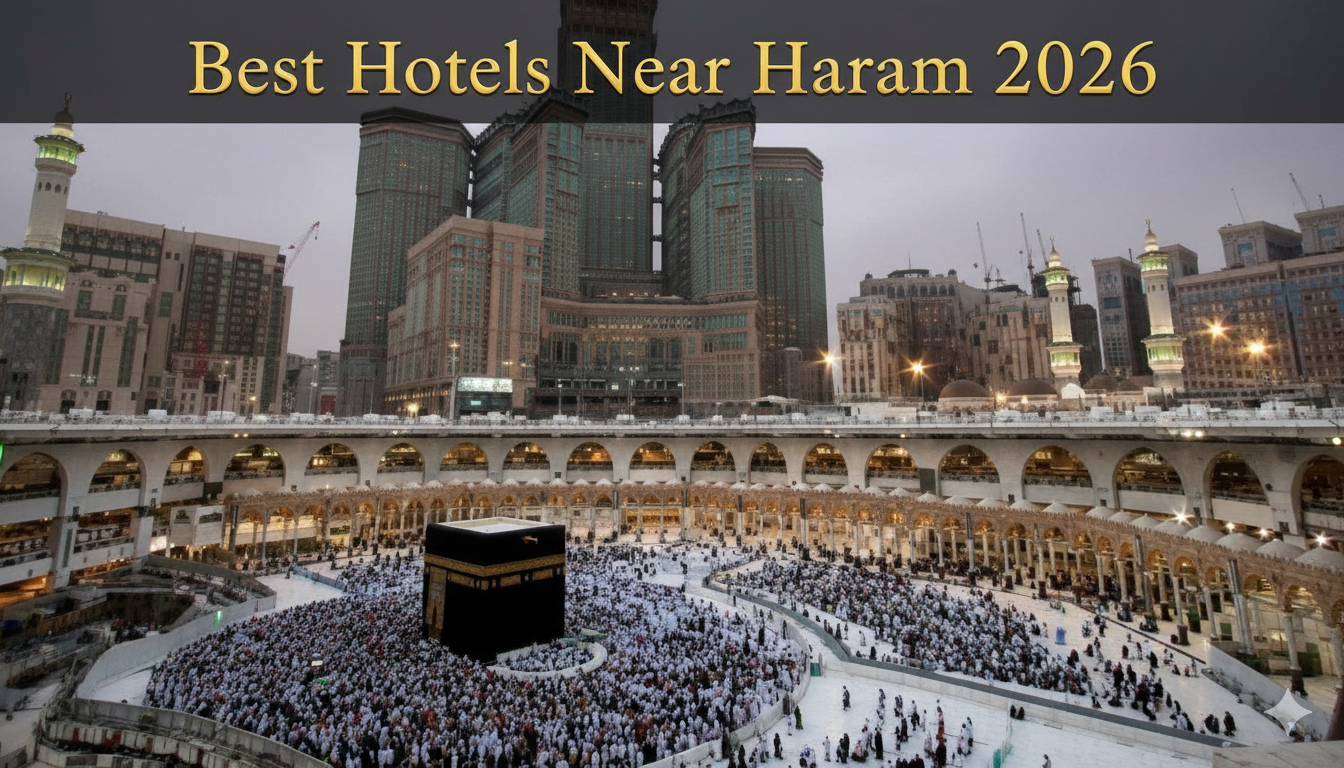
How this guide defines walking distance
Walking distance means the full effort from your hotel room to the mosque entrance you actually use not the straight line on a map It includes the time to reach the lift the time spent waiting for lifts in busy towers the time to reach street level the crossings and ramps on the route the crowd density near gates and your groups pace
What changes your walking time the most
Gate choice matters because different routes feed into different entry points
Lift queues matter because a hotel can be physically close but slow to exit at peak times
Crowd density matters because movement slows sharply after salah
Slope and stairs matter because some short routes are steep or uneven
Pace matters because families and elderly travellers move differently to solo pilgrims
Return walk matters because the walk back can feel longer when tired and when crowds are heavier
A simple way to choose the right zone
Maximum convenience zone
Choose this if you are travelling with elderly parents if you plan to return to the hotel between prayers or if you want minimal walking in heat and crowds This zone is usually the best for protecting energy and keeping your worship flow steady
Balanced convenience zone
Choose this if you want a strong balance of access and value It is often the sweet spot for UK travellers because you still feel close enough for a smooth routine but you may avoid the most intense tower lift congestion and the highest price points
Value walkable zone
Choose this if budget is the priority and you can handle longer walks and fewer returns to the room It can work well if you are fit travelling light and comfortable planning your day around fewer hotel visits
Examples of hotels that are often treated as maximum convenience
Hotels inside the Abraj Al Bait area are frequently chosen for very close access and routine simplicity Examples include the Fairmont Clock Royal Tower Pullman Zamzam Makkah and Makkah Towers These are typically popular with first timers families and elderly travellers because the routine can be easier when access is close
Examples of hotels that are often treated as balanced convenience
Jabal Omar properties are commonly used for a close but more flexible feel depending on the exact route and your gate preference Examples include Conrad Jabal Omar Makkah Jabal Omar Marriott and Jabal Omar Hyatt Regency This zone often attracts UK pilgrims who want premium comfort with manageable access
Examples of hotels that are often treated as value walkable
Some hotels are still walkable but the return journey can feel much longer at peak times especially with luggage or after a long day In this zone your route planning matters more than the hotel name
How to verify a walking distance claim in one minute
Ask which gate the route usually leads to for your hotel
Ask whether the route includes slopes stairs or long ramps
Ask what the lift situation is at peak times in that building
Ask whether families and elderly guests typically find the route easy
If a shuttle is mentioned ask where it drops off and how often it runs
UK pilgrim tip close often saves more than it costs
If you walk longer each way and return to the hotel multiple times a day you can lose hours across a week That time is usually taken from rest and worship For many travellers paying for easier access is not about luxury it is about protecting energy
What to ask LoveUmrah for a high confidence shortlist
Ask for a shortlist based on your group type and pace
Ask for the easiest route quality not just the closest number
Ask for the likely gate and the simplest path during busy times
Ask for room setup that matches your group so sleep and recovery are not compromised